 indika.creator@gmail.com
 In the era of digital transformation, marketing communication has evolved beyond simple messages and visual campaigns. Brands are increasingly required to engage with audiences on cognitive, emotional, and even subconscious levels. A fascinating frontier in this evolution is Neuro-Symbolic Marketing Communication, an approach that integrates neuroscience insights, symbolic representation, and artificial intelligence to redefine how brands tell their stories.

What is Neuro-Symbolic Marketing Communication?
At its core, this concept combines three critical dimensions:
- Neuroscience – Understanding how the human brain processes emotions, attention, and decision-making.
- Symbolism – Using cultural symbols, metaphors, and archetypes that resonate deeply with collective human experiences.
- Artificial Intelligence – Leveraging neuro-symbolic AI systems that combine machine learning with logic-based reasoning, enabling communications that are both adaptive and contextually aware.
Together, these dimensions create a holistic framework where marketing is not just persuasive, but also neurologically and culturally relevant.
Why It Matters for the Future of Marketing
- Emotional Precision: Campaigns designed with neuro-symbolic insights can trigger more authentic emotional responses.
- Cultural Universality: Symbolic frameworks enable brands to connect with audiences across diverse cultural landscapes.
- Adaptive Messaging: AI-driven systems can fine-tune messages in real time, balancing logic with emotion.
- Deeper Engagement: Moving beyond surface-level interaction, this approach builds long-term brand attachment.
Applications in Practice
- Brand Storytelling – Using symbolic narratives (the hero’s journey, the protector, the innovator) mapped against neural triggers.
- Campaign Design – Real-time adjustments to messaging based on audience’s subconscious reactions.
- Product Positioning – Aligning offerings with cultural archetypes that enhance trust and desirability.
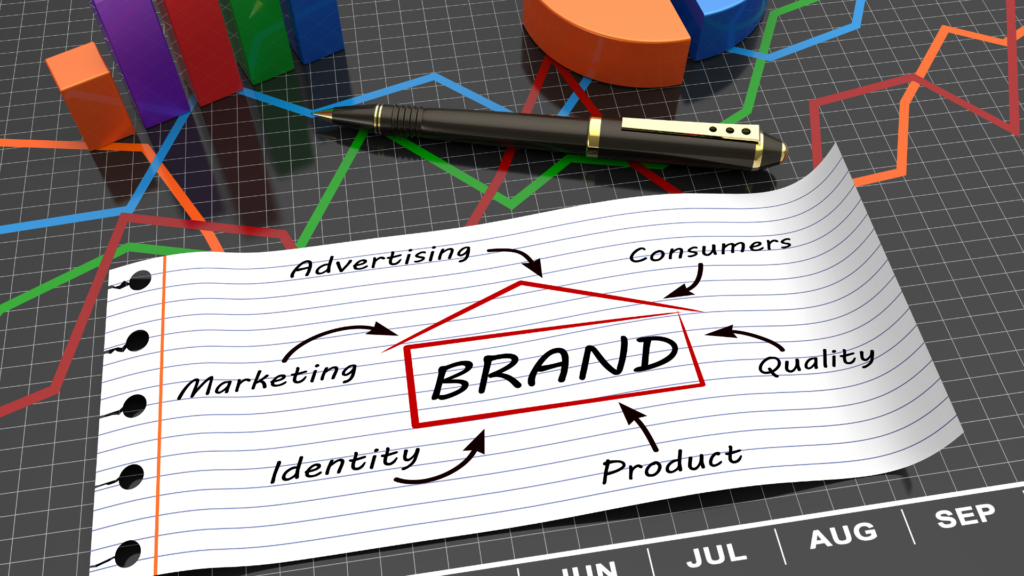
The Road Ahead
The fusion of neuroscience, symbolism, and AI promises to elevate marketing communication into a discipline where science meets art. Instead of campaigns designed through intuition alone, future strategies will be evidence-driven, adaptive, and deeply resonant. For businesses, this represents not just a new toolkit but a paradigm shift: communicating with the mind, the heart, and the culture simultaneously.

 The Influence of Gen Z on Marketing and Consumer Trends
  Experience-Driven Marketing: Redefining the Customer Journey
  Managing Creator Partnerships: Strategies for Sustainable Collaboration
  Haptic Marketing Communication: Touching the Future of Brand Engagement
  The Best AI Text-to-Image Tools Marketers Should Use in 2026
  Best AI Image-to-Video Tools for Marketers in 2025