
 indika.creator@gmail.com
 In the fast-evolving landscape of digital creativity, innovation is no longer restricted to software features or incremental improvements in editing tools. A new wave of experimentation is reshaping the way we think about photo editing, blending advanced computational techniques with unique conceptual approaches. One such development gaining attention is “Nano Banana”—a term symbolizing ultra-compact, AI-driven design processes that could define the next generation of image manipulation.
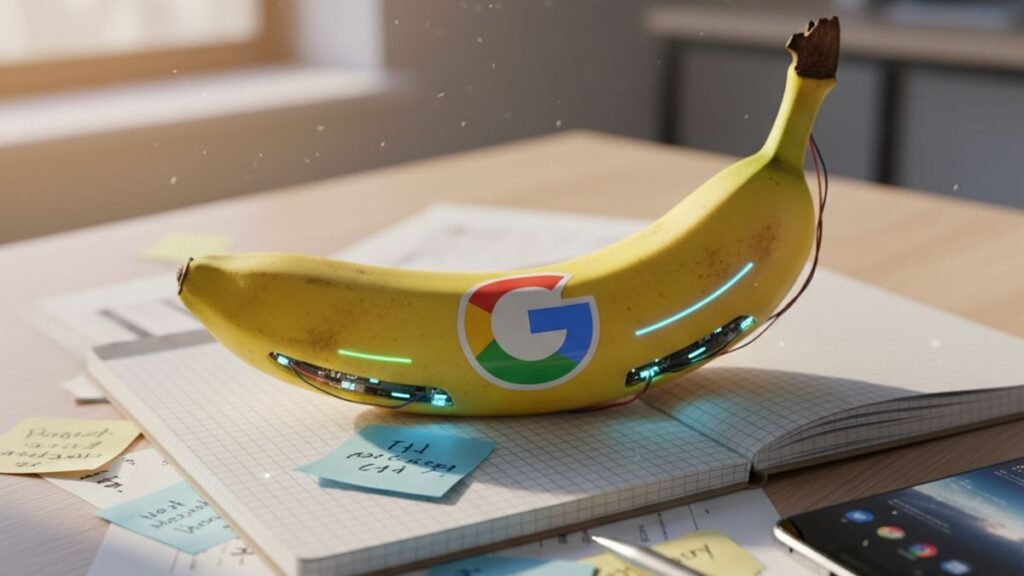
What is Nano Banana in the Context of Photo Editing?
While the phrase may appear unconventional at first, “Nano Banana” encapsulates the notion of small yet powerful. Just as nanotechnology allows scientists to engineer solutions at a microscopic scale, photo editing is moving toward increasingly precise, efficient, and adaptive methods. The “banana” metaphor represents accessibility and universality—tools that are not only powerful but also approachable to creators at every skill level.
The Evolution of Photo Editing
Traditional photo editing relied on manual adjustments—contrast, saturation, and retouching with layer-based tools. Over time, automation entered the field with presets, filters, and plugins, streamlining repetitive tasks. Today, artificial intelligence has brought us into an era of smart editing, where algorithms can remove backgrounds, enhance portraits, and even generate entirely new visual compositions in seconds.
The “Nano Banana” approach pushes this further by embedding intelligent micro-adjustments into editing pipelines. These micro-edits happen seamlessly, often without requiring direct input from the user, ensuring that final outputs are polished, realistic, and contextually aware.
Why It Matters for Creators
- Precision at Scale – Creators can achieve detailed enhancements without spending hours on meticulous retouching.
- Democratization of Tools – Just as smartphones made photography universal, nano-level editing intelligence makes professional-quality results accessible to beginners.
- Integration with AI Workflows – Future editing will not exist in isolation but as part of broader creative ecosystems involving generative AI, virtual reality, and immersive media.
- Sustainability of Creativity – Reducing time spent on technical adjustments allows photographers and designers to focus more on conceptual innovation.
The Future Ahead
The trajectory of “Nano Banana” suggests a future where photo editing is less about doing and more about directing. Professionals will guide the creative intent, while intelligent systems handle execution with microscopic precision. As editing tools become lighter, faster, and smarter, they will converge into everyday devices—empowering creators not only to edit but also to reimagine visual storytelling itself.

 The Influence of Gen Z on Marketing and Consumer Trends
  Experience-Driven Marketing: Redefining the Customer Journey
  Managing Creator Partnerships: Strategies for Sustainable Collaboration
  Haptic Marketing Communication: Touching the Future of Brand Engagement
  The Best AI Text-to-Image Tools Marketers Should Use in 2026
  Best AI Image-to-Video Tools for Marketers in 2025