
 indika.creator@gmail.com
 Indian cinema is undergoing a storytelling renaissance. From the elaborate, escapist musicals of the past to the nuanced, genre-bending narratives of today, the shift is both profound and promising. This transformation isn’t just about better scripts or slicker visuals—it represents a deeper change in how stories are conceived, told, and consumed across the subcontinent.
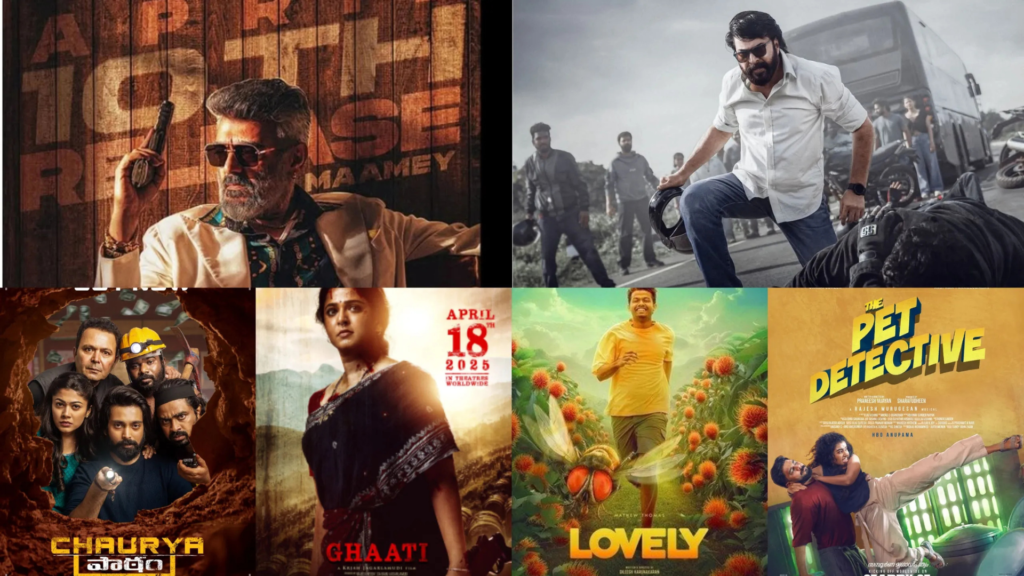
From Formula to Fluidity
For decades, Indian films—particularly mainstream Bollywood—followed a tried-and-tested formula: star power, song-and-dance routines, romance, action, and a clear moral dichotomy. While entertaining, these films often leaned more on spectacle than substance.
But over the past decade, a noticeable shift has taken place. Stories are no longer bound by convention. Filmmakers are daring to blur genre lines, introduce morally complex characters, and spotlight regional voices that were long overshadowed by the Hindi film industry. There’s a rising confidence in telling grounded, personal, and politically resonant stories.
What’s Driving the Change?
Several forces have converged to make this transformation possible:
- The Rise of OTT Platforms: Streaming services like Netflix, Amazon Prime Video, Disney+ Hotstar, and regional platforms have democratized content. Filmmakers are no longer beholden to box office formulas. With fewer commercial constraints, creators are exploring unconventional narratives and storytelling techniques.
- Pan-Indian Appeal: South Indian industries—especially Telugu, Tamil, and Malayalam cinema—are pushing boundaries with innovative storytelling, and their influence is now pan-Indian. Films like RRR, Pushpa, and Jai Bhim have resonated across linguistic and regional lines, proving that content-driven cinema transcends language.
- A New Generation of Filmmakers: Directors like Neeraj Ghaywan, Vetrimaaran, Anurag Kashyap, and Geetu Mohandas, among others, are challenging traditional structures. They’re inspired by both global cinema and local realities, and they’re crafting stories that are emotionally raw, socially conscious, and stylistically bold.
- Audience Maturity: Viewers today are more discerning than ever. Global exposure via streaming, international festivals, and social media has cultivated an appetite for authenticity. Audiences are no longer satisfied with passive entertainment; they seek meaningful engagement.
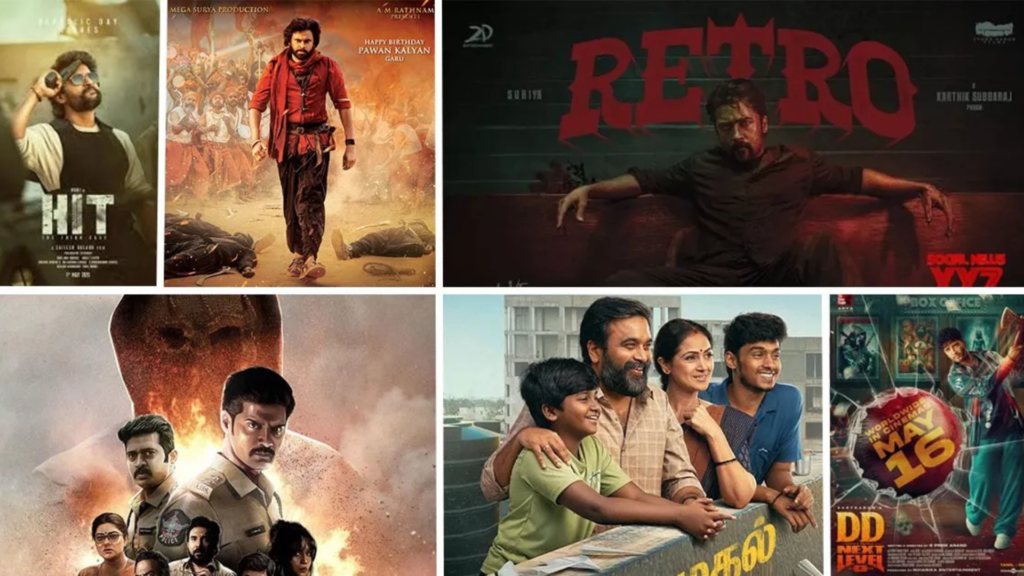
New Storytelling Devices
The change isn’t just thematic—it’s technical and structural, too. Here are a few storytelling methods gaining traction in Indian cinema:
- Non-linear Narratives: Films like Andhadhun, Kahaani, and Super Deluxe use fragmented timelines and unreliable narrators to enhance suspense and emotional impact.
- Hybrid Genres: The lines between drama, thriller, satire, and fantasy are increasingly blurred. Movies like Tumbbad and Gangs of Wasseypur defy categorization.
- Visual Symbolism and Subtext: Directors are leaning more on visual storytelling—using lighting, color palettes, and symbolism to convey deeper meaning. This subtlety marks a departure from traditional exposition-heavy scripts.
- Character-Driven Plots: The rise of flawed, layered protagonists—like in Article 15, Sardar Udham, or The Great Indian Kitchen—is allowing more human and relatable storytelling.
- Regional Authenticity: More films are embracing native languages, local cultures, and rural settings, enriching the narrative landscape with diverse voices and realities.
The Road Ahead
Indian cinema is at a fascinating crossroads. The mainstream and the independent are no longer distinct territories—they are beginning to influence and elevate each other. While commercial blockbusters still dominate revenue, the creative pulse of the industry now beats strongest in the bold choices being made on the margins.
As filmmakers embrace this era of experimentation, and as audiences continue to support fresh narratives, Indian cinema is not just evolving—it’s maturing. The stories are more rooted, more layered, and more reflective of the complex society they emerge from.
This isn’t a fleeting trend; it’s a fundamental shift. The future of Indian cinema will not be written in formulas—it will be told in voices, many voices, all telling their truths.

 The Influence of Gen Z on Marketing and Consumer Trends
  Experience-Driven Marketing: Redefining the Customer Journey
  Managing Creator Partnerships: Strategies for Sustainable Collaboration
  Haptic Marketing Communication: Touching the Future of Brand Engagement
  The Best AI Text-to-Image Tools Marketers Should Use in 2026
  Best AI Image-to-Video Tools for Marketers in 2025